

Welcome to The GOODStack
Occasional perspectives from inside the creative industry. Curated by The GOODList.

We’re excited to announce the launch of The GOODStack, an occasional newsletter that will serve as an extension (or sister space) of The GOODList.
The GOODList is a platform dedicated to promoting creative talent and connecting good people to great work through a global network of agents and curators.
The GOODStack will feature guest writers we admire, delving deeper into things that matter to our community of creatives. We’ll invite them to share long-form articles, personal stories, and valuable insights from – and for – the people within our network.
By facilitating a platform to explore and discuss topics related to working within the creative industry, we aim to foster a strong and supportive community for creatives. We believe that connection and collaboration are more important than ever, given the current challenges and climate faced by freelance and contract creatives.
In turn, The GOODStack will deliver thought-provoking content focused on the changing creative industry, including explorations of curation and taste, the relevance of generalists in today’s landscape, alternative perspectives on AI, and the pervasive issue of ageism in our industry—a topic that deserves more attention and open dialogue.
The GOODStack Manifesto:
We uphold The GOODList Pillars: Inspiration, Support, Community, Opportunity
We deliver valuable and helpful information to our community of creatives
We share slow content and give space to long-form conversation, over hot-takes and microtrends
We include diverse voices and creative opinions
The GOODStack’s initial curation will be led by Helen Job. Helen has more than 20 years of experience in futures and cultural research, working both in-house and at agencies of various sizes. Formerly the Head of Research at SPACE10, Helen now leads her own creative ecosystem, Neu Futur, centred on deep research and preferable futures.
Helen will curate the topics and select contributing writers for The GOODStack’s upcoming newsletters.
For this launch issue, we’ve invited Helen to share what’s on her mind…
The Trouble with Content
As a ‘futures person,’ I analyse and interpret cultural trends for brands and institutions. I’m also a renowned ‘rent a gob’ when it comes to opinions on the ‘future of [insert any topic].’
But writing? I’ve never been big on sharing my own thoughts for fear of sounding like the author of one of those hyperbolic humblebrag LinkedIn posts. But writing helps me to make sense of the things I’m researching. So, I’m going to try to do that here.
Admittedly, my initial drafts for this Substack felt a bit generic, fake, or just plain boring compared to everything else that’s out there. In an age of infobesity, it’s tough to know what’s actually useful or interesting to others.
We have all had to (willingly or not) create some kind of personal brand to be seen and heard in a crowded marketplace with a reduced number of briefs. With this comes a responsibility for self-promotion, which most often includes putting your opinions and content out into the world.
I’ve been thinking about this and social content in general a lot lately: not just what we read, how we read, and where we read, but how we find and share content, how it’s provided to us, and whether it’s disposable or worth saving.
I was feeling overwhelmed by all this noise, but lately I’ve managed to tune in and spend time listening, learning, and gathering inspiration. Perhaps it’s the unfurling of new shoots and the promise of springtime, or maybe the sheer state of the world is drawing me to content from others also searching for a better way forward.
Below, I share some of what I’ve found these past weeks, from thought-provoking articles by people I admire, to open-source resources, and the feeds of peers who engage in thoughtful discussions about issues that many of us creatives are grappling with.
Slow Calm Content
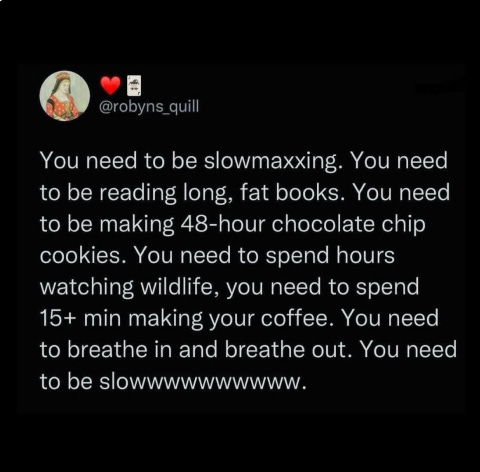
The Slow Life movement has been around for ages (Jenny Odell published How To Do Nothing: Resisting the Attention Economy back in 2019), yet the need to regularly disconnect from our work lives and technology is becoming once again apparent. I’ve noticed, recently, another uptick in calm content.
Expecting a few days of digital detoxing to end phone reliance, however, is unrealistic and plain silly. I’m more interested in how technology can be used to improve both ourselves and our connection with it and others. Organisations like Softer and our pals at PITCH Studios are promoting thoughtful collaborations between people, nature, and technology while looking into slow-tech solutions.
PITCH’s Cyber Serenity manifesto encourages us to rethink our relationship with technology and create a digital sanctuary by discovering new ways to interact with it. Free Radicals is a two-year research project exploring the intersections between plant biodiversity and artistic practice, co-funded by Creative Europe.
Similarly, we can instigate a calmer relationship with tech in our working lives. The Calm Design Approach shifts the focus from capturing attention to fostering meaningful, mindful interactions with technology that prioritise well-being and presence in an overstimulated digital world. The approach offers seven design principles for promoting presence over distraction.
One of these includes Thoughtful Friction, which resonates as I think our over-reliance on tech, and emphasis on seamlessness, reduces opportunities for real moments of connection and unexpected joy.
And just this month, creative engineering studio PCH Innovations rebranded as Gentle Systems. Managing director Adrien Hobt said of this shift: “We aim to shape systems–of all forms and scales–for a world we actually want to live in. A world where technology is applied with elegance and care. Resourceful by design. Grounded in reality—not driven by excess, but by intention. And firmly optimistic about human potential and collective progress.”
Digital Memory & Archiving
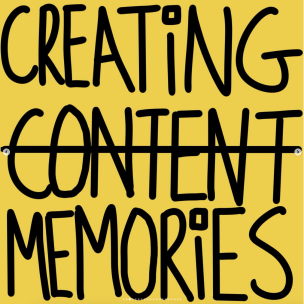
A recent Protein Seeds piece, Vanishing Culture, discusses the loss of digital content and questions how we can create memories rather than more online slop. It also argues that, for the first time, we are creating an era without a history; while not all content is worth keeping, we still need to explore ways to preserve meaningful digital memories.
“Websites of today are the historical evidence of tomorrow—but only if they are archived.”
— Protein
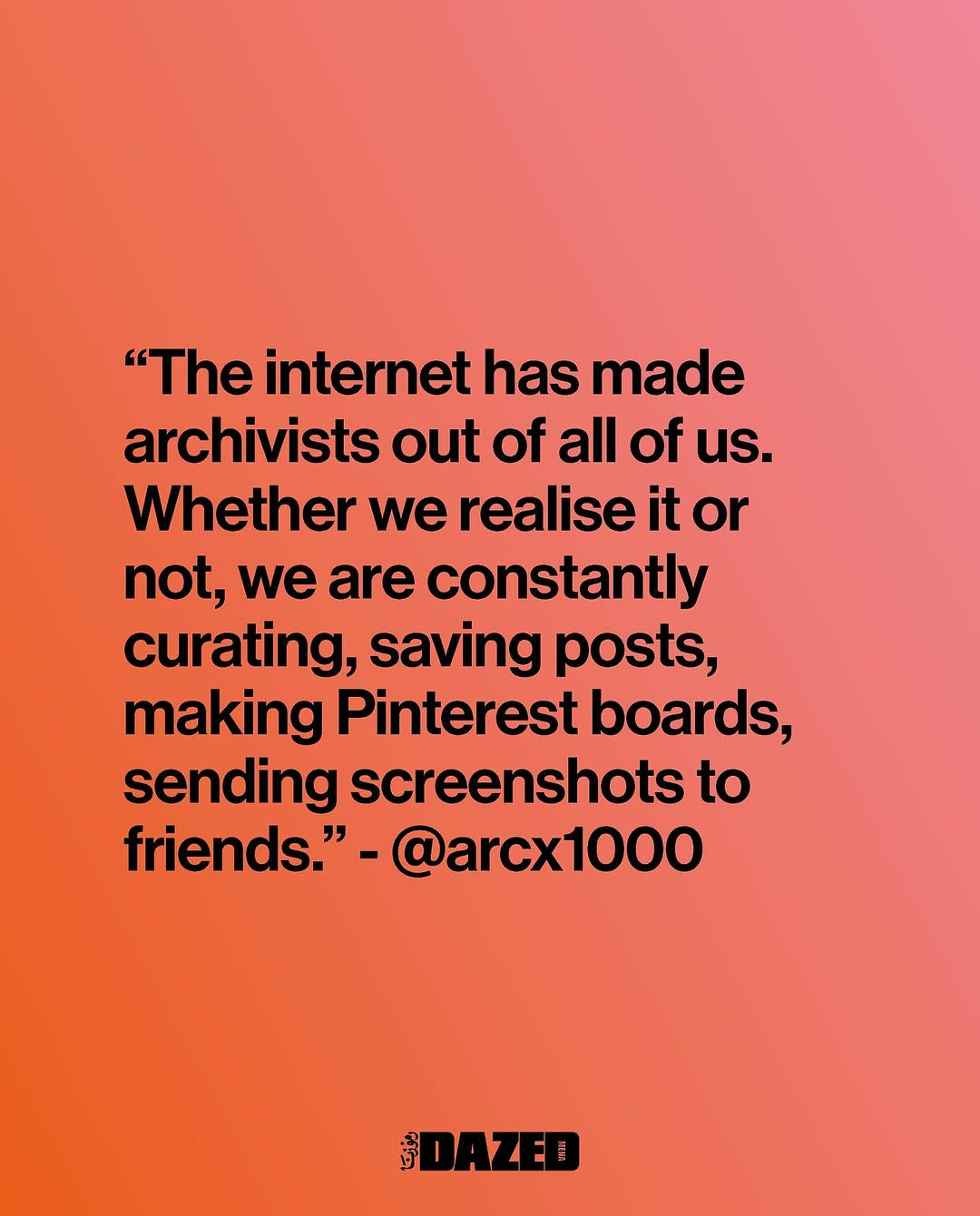
When thinking about any kind of digital archiving, I am always drawn back to the sterling work of Mindy Seu in her Cyberfeminsim Index, and the experimental art projects of Maya Man. But as DAZED pointed out in a recent edition of its newsletter The Weekly Echo Chamber, something as simple as meme sharing and screenshotting makes (subconscious) archivists out of all of us.
Re-cultivating Taste and Curation
With my brilliant collaborator, creative tech researcher Kesia Inkersole, we’ve been thinking a lot about how the overwhelming presence of algorithmic systems and large-scale crises has reduced our ability to shape our realities and make decisions.
This affects every choice we make (or don’t make) about what we eat, read, buy, and do. As a major fangirl of Matt Klein’s work, I wanted to share his thoughts on this issue of decision paralysis:
“A recent study by HSBC found that 53% of Gen Z feel ill-equipped to manage decisions… I feel like we’re experiencing some atrophied muscles, outsourcing decision-making when we should be dialling up our perceptivity and criticism.”
— Matt Klein, cultural theorist and founder of Zine
It feels like our perception, critical thinking, and sense of personal agency are being systematically eroded. Rather than relinquishing control to algorithms and platforms, we need to reclaim our autonomy and cultivate our unique, personal perspectives and tastes.
As this relates to content, it’s about reigniting discovery and making active choices about finding new voices and sources to read and engage with. There’s an app for this, of course. Sublime allows you to highlight and save quotes from across the web as cards that can be curated into collections, allowing you to shape and organise points of view on certain topics in one place, away from the major platforms.
“I wanted to say something about the lost promises of today’s internet and how my work is reimagining the web. Instead, I am building an app that helps you save and remember all the things you learn about and love and don’t want to forget.”
— Sari Azout, co-founder of Sublime
I’m not in any way suggesting the death of the algorithm. We are too far down the path for that. But I’m seeing a growing ‘anti-algo’ sentiment building and a move towards people regaining confidence in shaping their personal viewpoints and preferences.
Some commentators predict the demise of the knowledge economy in the age of AI, fearing that employers will no longer value our opinions or pay us to think. However, the situation surrounding AI is more nuanced than most scaremongering suggests. The role of human expertise will become even more valuable in an era of advanced automation. AI, used wisely, has the potential to augment our cognitive abilities, leading to greater autonomy for individuals and society, and ultimately, widespread empowerment.
So we can, and will, remain guided by curated knowledge from trusted brands or people we admire. I am a big fan of recommended reading lists by Lena Dunham, Miranda July and Phoebe Lovatt, among others. Sharing her knowledge IRL, Phoebe recorded her podcast, Deep Read, live at the Miu Miu Literary Club during Milan Design Week, part of a two-day programme themed around ‘A Woman’s Education.’
So, what is the future of curation? Does having a strong personal aesthetic still translate into opportunities, collaborations, and income? For once, I’ll let my gob rest, and let you share what you think in the comments below.
Thanks for reading. As The GOODStack develops, we will bring thought pieces from a great selection of voices and writers. We’re also eager to hear your ideas and suggestions to help shape The GOODStack into a resource that truly resonates with and benefits our community. Keep in touch!